

Canonical
1 February 2018
Skype now available as a snap for Linux users
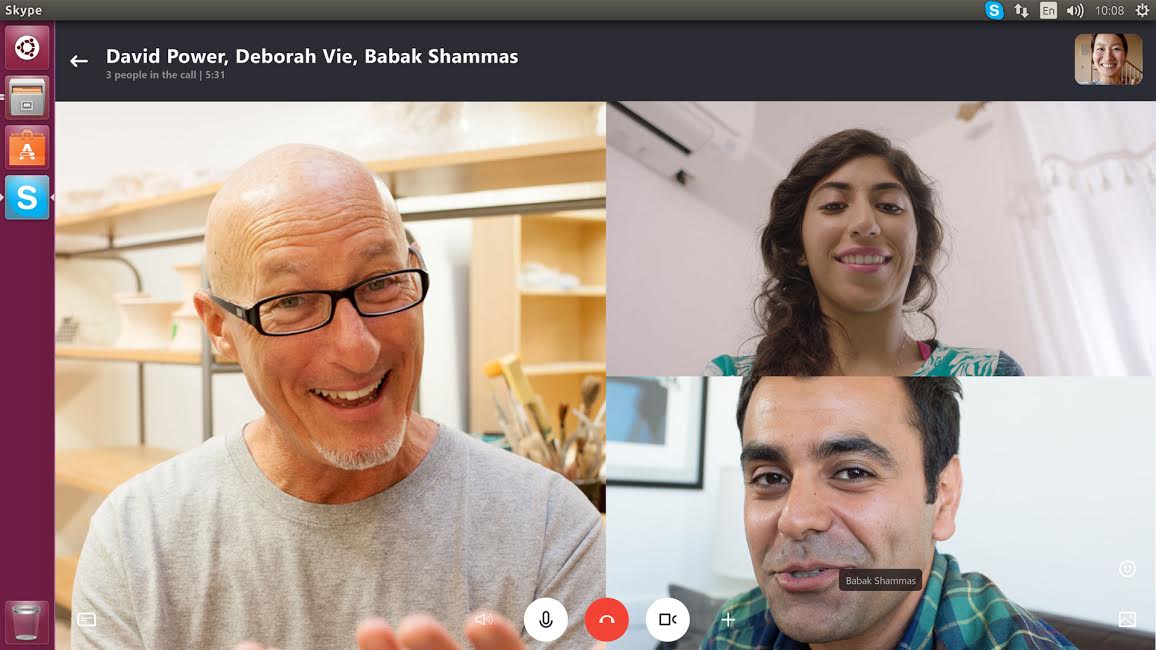
Skype snap widens availability in the Linux community with easy install and automatic updates
London, UK – 1st February 2018 – Canonical, the company behind Ubuntu, announces today that Skype is now available as a snap, the universal Linux app packaging format. Available as of today, the release means that Skype can deliver its communication service to a wider range of Linux users, including millions on Ubuntu.
Skype is used by millions of users globally to make free video and voice calls, send files, video and instant messages and to share both special occasions and everyday moments with the people who matter most.
Skype has turned to snaps to ensure its users on Linux, are automatically delivered to its latest version upon release. And with snaps’ roll-back feature, whereby applications can revert back to the previous working version in the event of a bug, Skype’s developers can ensure a seamless user experience.
The Skype snap will work natively on all Linux distributions that support snaps, including Linux Mint, Manjaro, Debian, Arch Linux, OpenSUSE, Solus, and Ubuntu. This Skype desktop application is compatible across the wide range of Linux platforms, opening it up to an increased range of devices and to millions of users.
“Skype has been enabling the world’s conversations for over ten years,” said Jonáš Tajrych, Senior Software Engineer at Skype, Microsoft. “We want to be able to deliver the same high quality experience on Linux as we do on other platforms. Snaps allow us to do just that, by giving us the ability to push the latest features straight to our users, no matter what device or distribution they happen to use.”
“We’re delighted to welcome Skype to the snaps ecosystem,” said Jamie Bennett, VP of Engineering, Devices & IoT at Canonical. “Skype, and the ever growing number of snaps it joins, looks to put the Linux user first, allowing them to enjoy the latest versions upon release and provide a wider range of applications for users to choose from.”
Snaps are containerised software packages, designed to work securely within any Linux environment across desktop, the cloud and IoT devices. Thousands of snaps have been launched since 2016, with its appeal coming from the automatic updates and roll-back features, plus security benefits, allowing greater flexibility for developers on the one hand, and a more seamless experience for users on the other.
Skype is available to download as a snap by clicking here or running snap install –classic skype.
###
About Canonical
Canonical is the company behind Ubuntu, the leading OS for cloud operations. Most public cloud workloads use Ubuntu, as do most new smart gateways, switches, self-driving cars and advanced robots. Canonical provides enterprise support and services for commercial users of Ubuntu. Established in 2004, Canonical is a privately held company.


